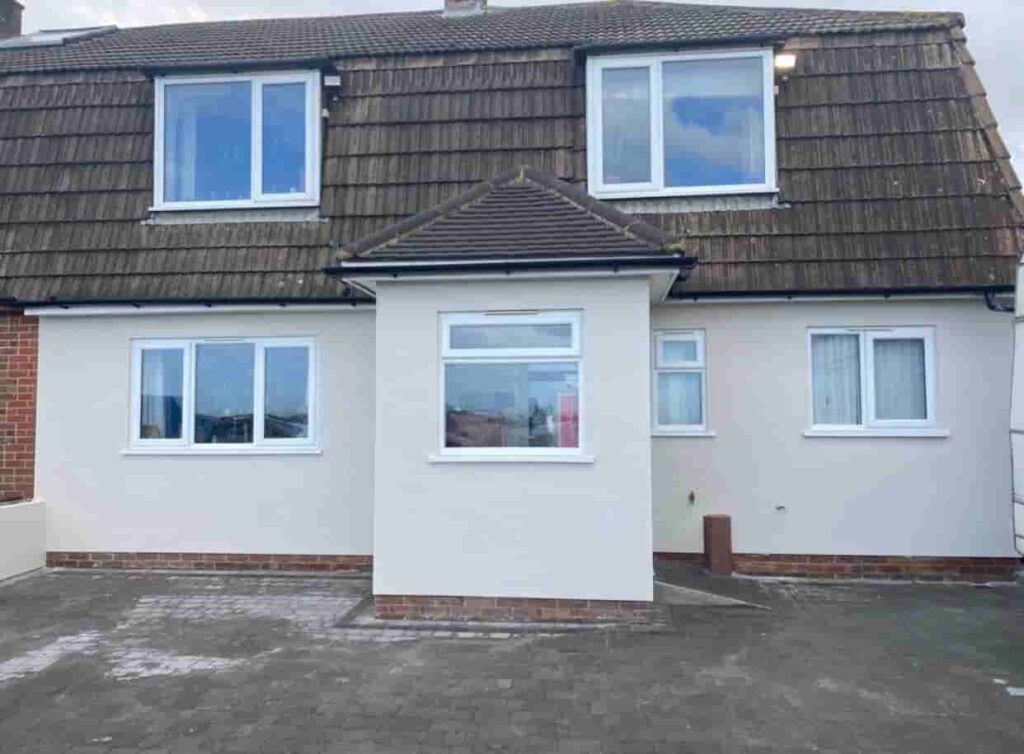
Discovering cracked, slipped or missing roof tiles can be worrying, particularly if you are concerned that the entire roof may need replacing. In many cases, however, a few damaged tiles can be repaired or replaced individually, allowing the rest of the roof to remain in place.
For homeowners in Haverhill, Suffolk, the key is understanding why the tiles have become damaged and whether the surrounding roof covering is still in good condition. Haverhill Roofing Repairs can assess the affected area, identify any underlying issues and recommend the most suitable repair.
When Can Individual Roof Tiles Be Repaired?
When Damage Is Limited to a Small Area
If only a handful of tiles are cracked, broken or missing, localised repairs are often sufficient. Individual tiles can usually be replaced without disturbing the entire roof, provided the surrounding tiles, battens and supporting structure remain sound.
This type of repair can restore the roof’s protective covering and help prevent rainwater from reaching the materials beneath. Acting promptly is important because even a small gap can allow water to enter, particularly during prolonged or wind-driven rainfall.
A roofer will check the damaged section and its surroundings to ensure the problem has not affected a wider area.
When Tiles Have Slipped Out of Position
Roof tiles can move because of deteriorated fixings, weather exposure or problems with the materials securing them. A slipped tile may leave part of the roof exposed, creating a potential route for water ingress.
If the issue is isolated, repositioning or refixing the affected tile may resolve the problem. However, if several tiles have slipped in the same area, it is worth checking whether the fixings or supporting components have deteriorated.
Simply putting a tile back into place without addressing the cause could allow the same problem to return.
When Damage Has Not Affected the Roof Structure
Individual tile repairs are most effective when the damage has not spread to the underlying roof structure. If the battens, underlay and supporting timbers remain in good condition, replacing the affected tiles may be all that is required.
However, signs such as damp patches in the loft, water staining on ceilings or persistent leaks may indicate that water has already passed beyond the roof covering. In these circumstances, the roofer should investigate the underlying materials rather than concentrating solely on the visible tile damage.
When Might More Extensive Roofing Work Be Necessary?
Widespread Tile Deterioration
A few isolated broken tiles are different from a roof where many tiles are becoming brittle, cracked or loose. If damage is appearing across several sections, it may indicate that the roof covering is deteriorating more generally.
Replacing individual tiles can still address immediate defects, but repeated failures may suggest that a broader repair or replacement needs to be considered. An inspection can help establish whether the remaining tiles are likely to continue providing reliable protection.
Problems Beneath the Tiles
Roof tiles form the outer layer of a roofing system, but they are not the only component responsible for keeping a property dry. Underlay, battens, flashing and the roof structure also play important roles.
If these materials have deteriorated, replacing a few tiles may not resolve the underlying problem. For example, persistent water ingress may be caused by damaged underlay or failed flashing around a chimney or roof junction rather than the tiles themselves.
Identifying the source of the problem helps ensure that the repair addresses the actual cause of the leak.
Repeated Leaks or Previous Repairs Failing
If the same area continues to leak after repairs, the original cause may not have been fully resolved. There could be additional damaged tiles, faulty fixings or a defect in another part of the roofing system.
Repeatedly replacing individual tiles without investigating the wider area can leave the underlying issue untreated. A more thorough assessment can determine whether targeted repairs remain suitable or whether a larger section needs attention.
What Happens During a Roof Tile Repair?
A professional roof tile repair should involve more than replacing the visibly damaged tile. The affected area needs to be checked for loose neighbouring tiles, damaged fixings and signs that water has entered beneath the covering.
The roofer can then remove and replace the damaged tile, secure any affected surrounding tiles and assess whether additional work is required. Matching the replacement tile as closely as practical also helps maintain a consistent appearance.
Roof access can be hazardous, so avoid climbing onto the roof to inspect or replace tiles yourself. A professional assessment is a safer way to establish the extent of the damage.
How Haverhill Roofing Repairs Can Help
If your roof has a few damaged tiles, Haverhill Roofing Repairs can inspect the affected area and advise whether a localised repair is likely to be sufficient. Where more extensive deterioration is found, the team can explain the issues and recommend appropriate next steps.
The aim is to address the cause of the damage and help maintain the roof’s condition without recommending unnecessary work.
Conclusion
You can often repair a few damaged roof tiles without replacing the whole roof, particularly when the damage is isolated and the surrounding materials remain in good condition. However, widespread deterioration, hidden defects or recurring leaks may indicate that more extensive repairs are needed.
If you have noticed cracked, missing or slipped tiles on your property in Haverhill, Suffolk, contact Haverhill Roofing Repairs to arrange an assessment and find out which solution is right for your roof.
Call us on: 01440 840 497
Click here to find out more about Haverhill Roofing Repairs
Click here to complete our contact form and see how we can help with your roofing needs.