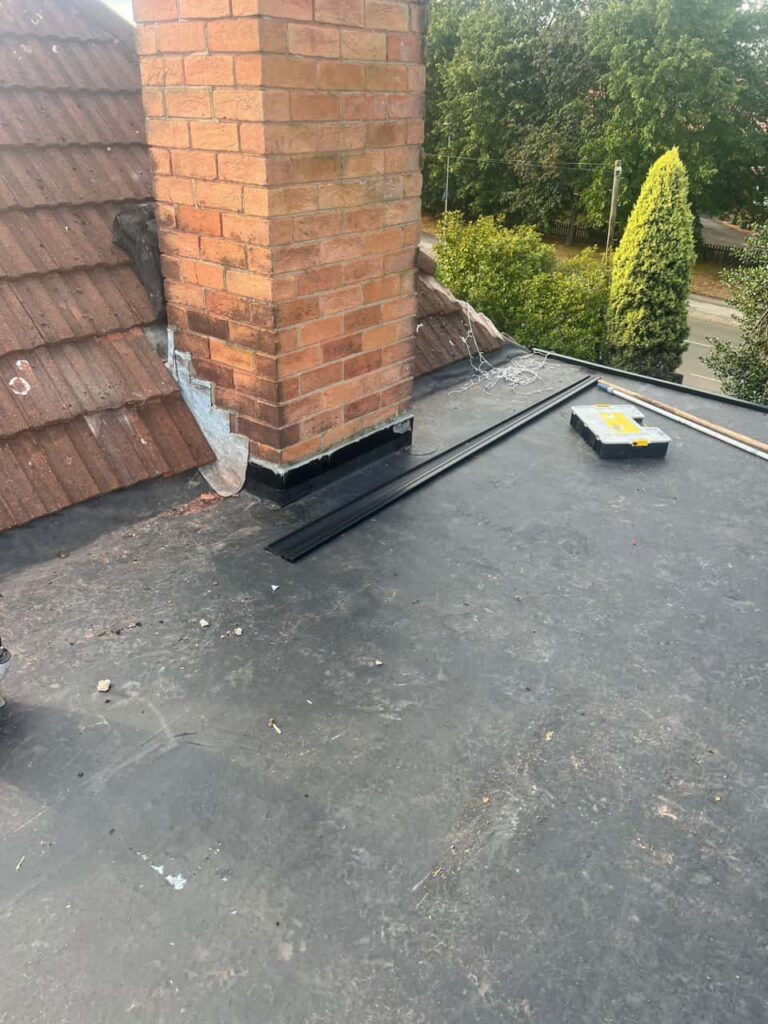
A roof that needs occasional attention is not necessarily failing. Individual tiles can crack, flashing can be damaged, and severe weather can create isolated defects in an otherwise serviceable roof. However, when repairs are needed repeatedly or new problems keep appearing in different places, the roof may be deteriorating more generally.
For property owners in Haverhill, Suffolk, recurring roof repairs should prompt a broader assessment. Examining the roof as a complete system can establish whether each defect is genuinely isolated or part of a wider pattern.
What Repeated Roof Problems Can Reveal
Roof coverings, fixings, underlay, battens and weatherproofing details do not always deteriorate at the same rate. Nevertheless, many components are of a similar age and have experienced the same weather conditions. As a result, several weaknesses can begin emerging within a relatively short period.
Repairs Are Appearing in Different Areas
One localised repair may be entirely appropriate. Concern increases when faults develop across several roof slopes or around multiple junctions.
A changing pattern of leaks, slipped tiles and failed details can indicate that ageing is no longer confined to one section. Repairing each symptom separately may restore short-term protection, but it does not explain why failures continue to appear elsewhere.
The location and type of every previous repair should therefore be reviewed during an inspection.
Tiles or Slates Are Failing More Frequently
Roof coverings can become increasingly brittle as they age. Tiles may crack, while slates can develop damaged fixing holes or become loose when their nails deteriorate.
Warning signs of wider decline include:
- Tiles or slates repeatedly slipping
- Several cracked coverings across the roof
- Uneven or widening gaps
- Loose ridge or hip components
- Fragments collecting in gutters or on the ground
- Repairs being required after relatively moderate weather
Replacing individual coverings may remain suitable when the surrounding area is sound. If similar defects are widespread, the fixings, battens and overall covering should also be assessed.
Water Ingress Keeps Returning
A damp patch that reappears does not always mean the previous repair was completed incorrectly. Water may be entering through another nearby weakness or travelling beneath the covering before becoming visible inside.
Recurring leaks can result from:
- Deteriorated underlay
- Multiple cracked or displaced tiles
- Failing lead flashing
- Defective valleys or roof junctions
- Ageing flat roof seams
- Damaged chimney details
- Blocked or ineffective drainage
Tracing the route of the water is essential. The visible internal mark may be some distance from the actual entry point.
Earlier Repairs Are Surrounded by Ageing Materials
A repaired section may remain sound while the original materials beside it continue to deteriorate. This can create the impression that the same repair has failed when the new defect is actually adjacent to it.
The condition of surrounding tiles, mortar, flashing and fixings should be considered whenever work is planned. Continually joining new repairs to weakened materials may become less dependable as deterioration spreads.
Mortar and Flashing Are Failing Together
Mortar around ridges, hips and chimneys can crack or loosen over time. Lead flashing may also split, lift or pull away from masonry as repeated movement and weather exposure take effect.
When several weatherproofing details begin failing around the same period, it can point to broader ageing across the roof. These areas are especially important because they protect junctions where water is more likely to enter.
The Roofline Has Become Uneven
Sagging, dipping or distortion should be assessed rather than treated as a surface problem. Movement may relate to weakened battens, deteriorated decking or issues within the supporting structure.
Covering a moving area with new tiles or a patch is unlikely to provide a reliable result. The underlying cause must be understood before the correct scope of repair can be determined.
Flat Roof Defects Are Becoming Widespread
On a flat roof, repeated patches may indicate that the covering is losing flexibility across the whole surface. Cracks, blisters, open seams and recurring ponding can develop as materials age.
A local repair may still be appropriate for isolated damage. More extensive work may need consideration when defects are widespread, the roof deck is affected or new weaknesses continue to emerge around earlier patches.
Maintenance Issues Can Resemble General Failure
Not every sequence of problems means the roof covering has reached the end of its useful life. Blocked gutters, accumulated debris, moss around drainage points and neglected minor defects can all contribute to recurring leaks.
A proper assessment should distinguish between:
- Isolated damage
- Maintenance-related problems
- Failure of an earlier detail
- Widespread material deterioration
- Movement or damage beneath the covering
This distinction helps prevent unnecessary work while ensuring that a declining roof is not repeatedly treated with inadequate local repairs.
Review the Roof’s Repair History
Keeping a simple record of previous work can make patterns easier to identify. Useful information includes where the problem occurred, what symptoms were noticed and whether the affected area remained sound afterwards.
Several repairs concentrated around one chimney or valley may indicate a persistent detail problem. Repairs scattered across the roof may suggest more general deterioration.
The condition of the roof matters more than the number of repairs alone, but its repair history provides valuable context.
Arrange a Whole-Roof Assessment
When repairs become frequent, the next inspection should consider more than the latest visible defect. A comprehensive assessment may include:
- The condition and alignment of tiles or slates
- Fixings, battens and accessible underlay
- Valleys, ridges, hips and verges
- Flashing around chimneys and walls
- Flat roof seams, edges and drainage
- Gutters, outlets and downpipes
- Signs of movement or moisture in the roof space
- Previous repair areas and adjoining materials
This provides a clearer basis for deciding whether targeted repairs remain sensible or whether a wider solution would offer more dependable performance.
Conclusion
Recurring roof repairs can indicate general deterioration, particularly when defects appear across different areas, materials are failing at a similar rate or water ingress keeps returning. They can also result from one unresolved detail or neglected maintenance, so replacement should never be assumed without a proper inspection.
Haverhill Roofing Repairs provides professional roof inspections and repair services in Haverhill, Suffolk. If your roof is developing repeated problems, contact our team to arrange a complete assessment and identify the most appropriate way to restore its weatherproof performance.
Call us on: 01440 840 497
Click here to find out more about Haverhill Roofing Repairs
Click here to complete our contact form and see how we can help with your roofing needs.